Summary

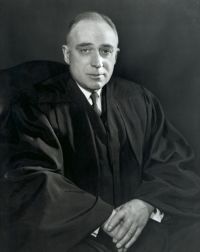
Portrait of John Marshall Harlan II John Marshall Harlan II Honda v. Clark — Opinion of the Court

What purpose does the strict 60-day limitation serve, except as a method of expediting the distribution of vested assets to creditors? But no other creditors are here objecting, for none exist: they have all compromised their claims and yet a surplus remains in the account. The Government itself has no real interest in this fund, for it neither comes out of the common weal nor will any surplus inure to the Treasury. The Attorney General is a mere stakeholder, a custodian in the true sense of the word.
Source: Wikisource

Portrait of John Marshall Harlan II John Marshall Harlan II Honda v. Clark — Opinion of the Court

The only persons who might eventually benefit from the surplus are those general beneficiaries of the War Claims Fund into which any surplus is deposited. But the 60-day rule can hardly be deemed a device for augmenting this general fund at the expense of recognized creditors, expecially in the face of repeated and uncontested expressions of congressional intent to facilitate and expand the rights of American creditors having an interest in these assets.
Source: Wikisource

Get perspective with Kwize: daily news enlightened by great literature