Summary

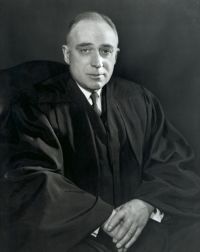
Portrait of John Marshall Harlan II John Marshall Harlan II James v. United States (366 U.S. 213…

I take it that our decisions in the tax and any other field for that matter relate back to the actual transactions with which they are concerned, and that that is only the normal concomitant of the fact that we do not sit as an administrative agency making rulings for the future, but rather adjudicate actual controversies as to rights and liabilities under the laws of the United States.
Source: Wikisource

Portrait of John Marshall Harlan II John Marshall Harlan II James v. United States (366 U.S. 213…

The Spies and Holland cases, which are said to support outright reversal, stand for no more than that where, as here, a criminal tax statute makes 'willfulness' an element of the offense, the Government must prove an 'evil motive and want of justification in view of all the financial circumstances' on the part of the defendant, in failing to do what was required of him.
Source: Wikisource

Portrait of John Marshall Harlan II John Marshall Harlan II James v. United States (366 U.S. 213…

The District Court, as the trier of the facts (there having been no jury) , found that petitioner's acts were 'willful and were done in a knowing and conscious attempt to evade and defeat' his tax obligations. But since it does not appear that petitioner's possible reliance on the Wilcox doctrine was considered below, Spies and Holland make it appropriate for us to send the case back for a new trial. They do not support foreclosing the Government from even undertaking to prove that the petitioner's conduct was 'willful' in this respect.
An outright reversal is equally unsound on principle.
Source: Wikisource

Get perspective with Kwize: daily news enlightened by great literature