Summary

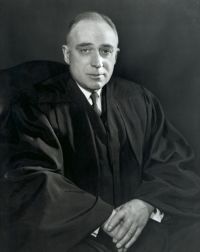
Portrait of John Marshall Harlan II John Marshall Harlan II Segal v. Rochelle — Opinion of the Court

The Segals stress in this Court that under the statutory scheme no refund could be claimed from the Government until the end of the year, but as cases already cited indicate, postponed enjoyment does not disqualify an interest as 'property.' That earnings by the bankrupt after filing the petition might diminish or eliminate the loss-carryback refund claim does further qualify the interest, but we have already noted that contingency in the abstract is no bar and the actual risk that the refund claims may be erased is quite far from a certainty.
Source: Wikisource

Portrait of John Marshall Harlan II John Marshall Harlan II Segal v. Rochelle — Opinion of the Court

While in fact the trustee can obviate this detriment to the estate-by selling a contingent claim in some instances or simply forgoing it-inconvenience and hindrance might be caused for the bankrupt individual. Without ruling in any way on a question not before us, it is enough to say that a carryover into post-bankruptcy years can be distinguished conceptually as well as practically. The bankrupts in this case had both prior net income and a net loss when their petitions were filed and apparently would have deserved an immediate refund had their tax year terminated on that date
Source: Wikisource

Portrait of John Marshall Harlan II John Marshall Harlan II Segal v. Rochelle — Opinion of the Court

Unlike a pre-bankruptcy promise of a gift or bequest, passing title to the trustee does not make it unlikely the gift or bequest will be effected. Nor does passing the claim hinder the bankrupt from starting out on a clean slate, for any administrative inconvenience to the bankrupt will not be prolonged, see 110 U.Pa.L.Rev., at 279-280, and the bankrupt without a refund claim to preserve has more reason to earn income rather than less.
Source: Wikisource

Get perspective with Kwize: daily news enlightened by great literature