Summary

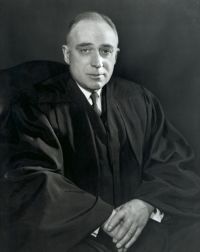
Portrait of John Marshall Harlan II John Marshall Harlan II System Federation No. 91, Railway Employes' Department v…

Hence, it was then unnecessary for the railroad and the unions to agree, as they did, that the non-union members should not then be required to join or maintain membership in any of their craft unions as a condition precedent to employment. The law so prohibited, Section 152, Fourth and Fifth, Title 45, United States Code Annotated, Railway Labor Act. The railroad and unions went further to provide by their agreement that no such requirement of union membership should thereafter be in effect in any bargaining agreement in accordance with the provisions of the Railway Labor Act.
Source: Wikisource

Portrait of John Marshall Harlan II John Marshall Harlan II System Federation No. 91, Railway Employes' Department v…

Firmness and stability must no doubt be attributed to continuing injunctive relief based on adjudicated facts and law, and neither the plaintiff nor the court should be subjected to the unnecessary burden of re-establishing what has once been decided. Nevertheless the court cannot be required to disregard significant changes in law or facts if it is 'satisfied that what it was been doing has been turned through changing circumstances into an instrument of wrong.' United States v.
Source: Wikisource

Portrait of John Marshall Harlan II John Marshall Harlan II System Federation No. 91, Railway Employes' Department v…

The parties cannot, by giving each other consideration, purchase from a court of equity a continuing injunction. In a case like this the District Court's authority to adopt a consent decree comes only from the statute which the decree is intended to enforce. Frequently of course the terms arrived at by the parties are accepted without change by the adopting court.
Source: Wikisource

Get perspective with Kwize: daily news enlightened by great literature