Summary

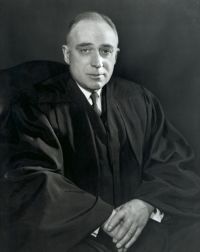
Portrait of John Marshall Harlan II John Marshall Harlan II United States v. Brosnan Bank Of America National Trust And Savings Association…

Why would the Congress give its consent to sue the United States as a quid pro quo of the Government having a fair chance to test out the validity of the prior-claimed private lien, and then turn right around and let the state procedure through a trustee's sale wipe out the government lien without notice, hearing or redemption rights?
Source: Wikisource

Portrait of John Marshall Harlan II John Marshall Harlan II United States v. Brosnan Bank Of America National Trust And Savings Association…

With all of its millions of tax transactions, how else can the public treasury be protected? Nor would such a requirement 'inject ourselves into the network of competing private property interests' or displace 'well-established state procedures governing their enforcement.' The State could proceed as it wishes, within Fourteenth Amendment requirements, to set up and enforce its own procedures as to private lienholders. Only in those cases where government liens are involved would lienholders have to give notice to the United States.
Source: Wikisource

Portrait of John Marshall Harlan II John Marshall Harlan II United States v. Brosnan Bank Of America National Trust And Savings Association…

The United States, of course, must be made a party and given notice. Judicial sales may be ordered, having the same effect as they would under state law, and the United States is given one year in which to redeem. Obviously this provision was inserted to protect the Government. Unlike a § 7424 proceeding, it ordinarily has received no notice of the prior mortgage lien before the mortgagee files suit. The Congress, in fairness to the Government, gave it one year after the judgment to reimburse the lienholder and redeem the property in protection of the Government's interest.
Source: Wikisource

Get perspective with Kwize: daily news enlightened by great literature