Sovereign immunity

Definition and stakes

District Court of Tokyo,  Ryuichi Shimoda et al. v. The State (1963)

“ The doctrine of sovereign immunity is applied not only to the State but also to the highest executive organs of the State, including the President, and it is held that these organs do not incur liability as individuals for their unlawful acts committed in the performance of their duties. It is true that, as the plaintiffs contend, the English doctrine that 'the King can do no wrong' has not been adopted as such by the United States, and how the doctrine of sovereign immunity, quite similar to the English doctrine, has come to be applied in the United State, is not well known. ”
Source: Wikisource

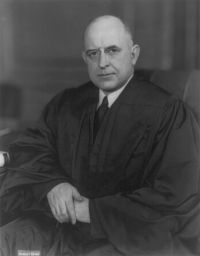
Portrait of Anthony Kennedy Anthony Kennedy,  Dellmuth v. Muth — Opinion of the Court

“ We now turn our attention to the proper focus of an inquiry into congressional abrogation of sovereign immunity, the language of the statute. We cannot agree that the textual provisions on which the Court of Appeals relied, or any other provisions of the EHA, demonstrate with unmistakable clarity that Congress intended to abrogate the States' immunity from suit. The EHA makes no reference whatsoever to either the Eleventh Amendment or the States' sovereign immunity. ”
Source: Wikisource

Supreme Court of the United States,  Franchise Tax Board of California v… (2019)

“ The Hall issue so rarely arises because most States, like most sovereign nations, are reluctant to deny a sister State the immunity that they would prefer to enjoy reciprocally. Thus, even in the absence of constitutionally mandated immunity, States normally grant sovereign immunity voluntarily. States that fear that this practice will be insufficiently protective are free to enter into an interstate compact to guarantee that the normal practice of granting immunity will continue. ”
Source: Wikisource

Get perspective with Kwize: daily news enlightened by great literature