Summary

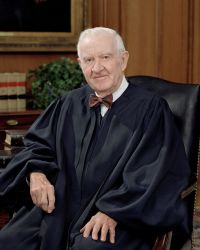
Portrait of John Paul Stevens John Paul Stevens Mallard v. United States District Court for Southern District of Iowa…

The lawyer's duty to provide professional assistance to the poor is part of the ancient traditions of the bar long recognized by this Court and the courts of the several States. [4] As Justice Field, then sitting on the California Supreme Court, declared more than a century ago:
" [I] t is part of the general duty of counsel to render their professional services to persons accused of crime, who are destitute of means, upon the appointment of the Court, when not inconsistent with their obligations to others; and for compensation, they must trust to the possible future ability of the parties.
Source: Wikisource

Portrait of John Paul Stevens John Paul Stevens Mallard v. United States District Court for Southern District of Iowa…

An attorney who has entered an appearance in a case may not withdraw without leave of court because the court's interest in making sure that a litigant is adequately represented and that the orderly prosecution of the lawsuit is not disrupted is paramount to a lawyer's personal interest in terminating a relationship with a client.
Source: Wikisource

Portrait of John Paul Stevens John Paul Stevens Mallard v. United States District Court for Southern District of Iowa…

Once appointed, it is the duty of the lawyer 'to communicate with the defendant at his place of incarceration as promptly as possible and not later than five days from the date of the clerk's mailing of the order of appointment.' Although the statute does not specifically so provide, the District Court interprets Rule 16 to require that only the appointed attorney may appear on behalf of the criminal defendant.
Source: Wikisource

Get perspective with Kwize: daily news enlightened by great literature