Summary

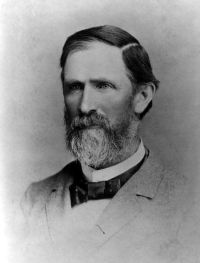
Portrait of Joseph Gaston Joseph Gaston The Centennial History of Oregon… (1912)

For seven days the Frenchmen floated down the Wisconsin, and finally came out on the mighty flood of the Mississippi—the "Great River"—for such is the meaning of the name. With the feelings of men who had discovered a new world, they floated down the great river, charmed and delighted with the wondrous scene, passing through verdant meadowland prairies, covered with uncounted herds of buffalo, with the unbroken silence of ages they passed the outpouring floods of other rivers—the Des Moines, the Illinois, the Missouri, the Ohio, and on down to the Arkansas.
Source: Wikisource

Portrait of Joseph Gaston Joseph Gaston The Centennial History of Oregon… (1912)

Why should these noble men and women, willing to sacrifice life and everything dear to mankind go to far distant Oregon:
And pierce the Barean Wilderness
to plant the banner of the cross? Why pass the tribes between the Missouri and the Rocky mountains and go a thousand miles beyond the Blackfeet rascals that needed Christianizing worse than any other equal number of murdering robbers on the face of the earth? It is the duty of the historian to find out.
Source: Wikisource

Portrait of Joseph Gaston Joseph Gaston The Centennial History of Oregon… (1912)

Everything in nature, says Emerson, is engaged in writing its own history; the planet and the pebbles are attended by their shadows, the rolling rock leaves its furrows on the mountain side, the river its channel in the soil, the animal its bones in the stratum, the fern and the leaf their epitaphs in the coal, and the falling rain drops sculptures their story on the sand and on the stone. Nearly everything that is known about the geological formation of Oregon is due to the unselfish labors of one man.
Source: Wikisource

Get perspective with Kwize: daily news enlightened by great literature