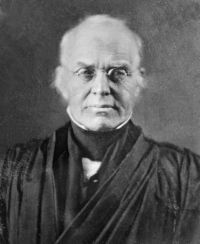
 Joseph Story,
Burke v. McKay — Opinion of the Court
Joseph Story,
Burke v. McKay — Opinion of the Court
“ In the next place, if a protest were necessary, it is equally clear that it is not indispensable in all cases that the same should be actually made by a person who is in fact a notary. In many cases, even with regard to foreign bills of exchange, the protest may, in the absence of a notary, be made by other functionaries, and even by merchants. But where, as in Mississippi, a justice of the peace is authorized by positive law to perform the functions and duties of a notary, there is no ground to say that his act of protest is not equally valid with that of a notary. ”
