Summary

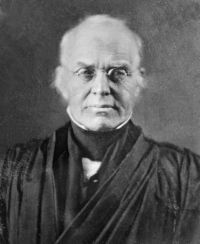
Portrait of Joseph Story Joseph Story Mills v. The Bank of the United States…

Whether the demand was duly and regularly made, is matter of evidence to be established at the trial. If it be not legally made, no averment, however accurate, will help the case; and a statement of non-payment, and notice, is, by necessary implication, an assertion of right by the holder, founded upon his having complied with the requisitions of law against the endorser. In point of fact, in commercial cities, the general, if not universal, practice is, not to state in the notice the mode or place of demand, but the mere naked non-payment.
Source: Wikisource

Portrait of Joseph Story Joseph Story Mills v. The Bank of the United States…

Another question is, whether the usage and custom of the bank, not to make demand of payment until the fourth day of grace, bound the defendant, unless he had personal knowledge of that usage and custom. There is no doubt, that according to the general rules of law, demand of payment ought to be made on the third day, and that it is too late if made on the fourth day of grace.
Source: Wikisource

Portrait of Joseph Story Joseph Story Mills v. The Bank of the United States…

The whole object of it is to inform the party to whom it is sent, that payment has been refused by the maker; that he is considered liable; and that payment is expected of him. It is of no consequence to the endorser who is the holder, as he is equally bound by the notice, whomsoever he may be; and it is time enough for him to ascertain the true title of the holder, when he is called upon for payment.
The objection of misdescription may be disposed of in a few words. It cannot be for a moment maintained, that every variance, however immaterial, is fatal to the notice.
Source: Wikisource

Get perspective with Kwize: daily news enlightened by great literature