Summary

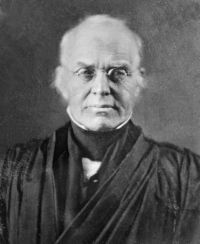
Portrait of Joseph Story Joseph Story Bank of the United States v. Carneal…

Then, was the notice in fact duly given, or duly sent through the proper post office? We are all of opinion that it was. The post office at Cincinnati was almost as near to the party's residence as that at Covington. The difference is too trifling to afford any just ground of preference; and Cincinnati was the place where he was most likely to receive the letter promptly, since it was the place of his business and of his habitual and almost daily resort.
Source: Wikisource

Portrait of Joseph Story Joseph Story Bank of the United States v. Carneal…

But where the bank is itself the holder of the note so payable, no formal demand is necessary to be made of payment. The maker has the whole period of the usual banking hours to pay it, and if he does not pay it within those hours, it is equivalent to a demand, and refusal of payment on his part, and the note ought not to be delivered out for protest until after those hours are passed. If the bank has funds of the maker in its hands, that might furnish a defence to a suit brought for non-payment.
Source: Wikisource

Portrait of Joseph Story Joseph Story Bank of the United States v. Carneal…

It is difficult to lay down any universal rule, as to what is due diligence in respect to notice to indorsers. Many cases must be decided upon their own particular circumstances, however desirable it may be, when practicable, to lay down a general rule. When notice is sent by the mail, it is suffient to direct it to the town where the party resides, if it is a post town. If it is not, then to the post office or post town nearest to his residence, if known.
Source: Wikisource

Get perspective with Kwize: daily news enlightened by great literature