Summary

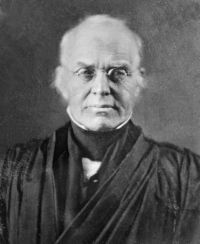
Portrait of Joseph Story Joseph Story Nicholls v. Webb — Opinion of the Court

There is no doubt, that, upon the principles of law, protests of foreign bills of exchange are admissible evidence of a demand upon the drawee; and upon what foundation does this doctrine rest, but upon the usage of merchants, and the universal convenience of mankind? There is not even the plea of absolute necessity to justify its introduction, since it is equally evidence, whether the notary be living or dead. The law, indeed, places a confidence in public officers
Source: Wikisource

Portrait of Joseph Story Joseph Story Nicholls v. Webb — Opinion of the Court

Courts of law are, therefore, extremely cautious in the introduction of any new doctrines of evidence which trench upon old and established principles. Still, however, it is obvious, that as the rules of evidence are founded upon general interest and convenience, they must, from time to time, admit of modifications, to adapt them to the actual condition and business of men, or they would work manifest injustice
Source: Wikisource

Portrait of Joseph Story Joseph Story Nicholls v. Webb — Opinion of the Court

Much of the business of the commercial world is done through the medium of bills of exchange and promissory notes. The rules of law require, that due notice and demand should be proved, to charge the endorser. What would be the consequence, if, in no instance, secondary evidence could be admitted, of a nature like the present? It would materially impair the negotiability and circulation of these important facilities to commerce, since few persons would be disposed to risk so much property upon the chance of a single life
Source: Wikisource

Get perspective with Kwize: daily news enlightened by great literature