Summary

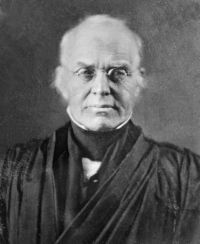
Portrait of Joseph Story Joseph Story Conard v. Pacific Insurance Company of New York…

There is the same reason for making the expenses of prosecuting and conducting a suit for the enforcement of a contract, as for the recovery of damages for a trespass divested of every feature of aggravation, the legal compensation for the detention of a debt, is the amount due, interest and costs. Courts and juries can make no allowance for expenses incurred by withholding money justly due, however groundless or unjust the pretext for refusing payment may be.
Source: Wikisource

Portrait of Joseph Story Joseph Story Conard v. Pacific Insurance Company of New York…

The rule of damages is fixed and invariable. There can be no legal distinction between the mere detention of property, and the price at which it was sold. If Conard had purchased these teas, and refused to pay the price, the plaintiffs' right of recovery becomes limited to that and interest. By the levy, he becomes liable for their value or market price. The expenses of the plaintiffs, in pursuing their might to damages due by contract, or those due by tort, would seem to come under the same principle of justice and law.
Source: Wikisource

Portrait of Joseph Story Joseph Story Conard v. Pacific Insurance Company of New York…

The rule which ought to govern juries, in assessing damages for injuries to personal property, depends much on the circumstances of the case. When a trespass is committed in a wanton, rude, and aggravated manner, indicating malice or a desire to injure, a jury ought to be liberal in compensating the party injured, in all he has lost in property, in expenses for the operation of his rights, in feeling or reputation: and even this may be exceeded by setting a public example to prevent a repetition of the act.
Source: Wikisource

Get perspective with Kwize: daily news enlightened by great literature