Summary

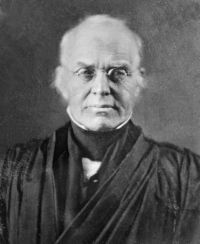
Portrait of Joseph Story Joseph Story Harmony v. United States — Opinion of the Court

If he wilfully sinks or destroys an innocent merchant ship, without any other object than to gratify his lawless appetite for mischief, it is just as much a piratical aggression, in the sense of the law of nations, and of the act of Congress, as if he did it solely and exclusively for the sake of plunder, lucri causa. The law looks to it as an act of hostility, and being committed by a vessel not commissioned and engaged in lawful warfare, it treats it as the act of a pirate, and of one who is emphatically hostis humani generis.
Source: Wikisource

Portrait of Joseph Story Joseph Story Harmony v. United States — Opinion of the Court

The construction of the other side entirely defeats the object of protecting commerce. There are no words in the law relating to the owners; the vessel is declared to be the guilty thing. The only facts necessary to be proved are, that the vessel was armed, and that a piratical aggression was committed. Merchant vessels can aid in these captures. If Congress had intended to exempt the property of innocent owners, they would have left some discretion in the court; but the language is, the vessel shall be condemned.
Source: Wikisource

Portrait of Joseph Story Joseph Story Harmony v. United States — Opinion of the Court

If he is not bound in damages, why is his vessel responsible? There is no moral delinquency in the owner. The ship, it is true, is considered sometimes as the offender, but only when something is done for which the owner is responsible, either for his own acts or those of his agent acting within the scope of his authority. 2 Brown Adm., 142, 143.
The torts of the master cannot hypothecate the ship; she is seized only until the captain gives bail.
Source: Wikisource

Get perspective with Kwize: daily news enlightened by great literature