Summary

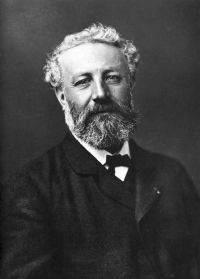
Portrait of Jules Verne Jules Verne The Master of the World — Chapter 8 (1904)

How could an automobile become a boat, and yet more, a submarine? All the machine seemed to lack was the power of flying through the air. Nevertheless, everything that was known of the three different machines, as to their size, their shape, their lack of odor or of steam, and above all their remarkable speed, seemed to imply their identity. The public, grown blase with so many excitements, found in this new marvel a stimulus to reawaken their curiosity.
The newspapers dwelt now chiefly on the importance of the invention.
Source: Wikisource

Portrait of Jules Verne Jules Verne The Master of the World — Chapter 8 (1904)

The invention must be bought at any price. The United States government must purchase it at once for the use of the nation. Assuredly, the great European powers would stop at nothing to be beforehand with America, and gain possession of an engine so invaluable for military and naval use. What incalculable advantages would it give to any nation, both on land and sea! Its destructive powers could not even be estimated, until its qualities and limitations were better known. No amount of money would be too great to pay for the secret; America could not put her millions to better use.
Source: Wikisource

Portrait of Jules Verne Jules Verne The Master of the World — Chapter 8 (1904)

And there was not a citizen of the States of whatever rank, who objected to the amount, so much importance was attached to the possession of this prodigious engine of locomotion. As for me, I said emphatically to my old housekeeper: "The machine is worth even more than that."
Evidently the other nations of the world did not think so, for their bids remained below the final sum. But how useless was this mighty struggle of the great rivals! The inventor did not appear! He did not exist! He had never existed! It was all a monstrous pretense of the American newspapers.
Source: Wikisource

Get perspective with Kwize: daily news enlightened by great literature