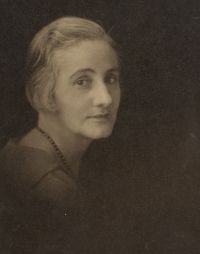
Katharine Susannah Prichard

Katharine Susannah Prichard

Summary

Portrait of Katharine Susannah Prichard Katharine Susannah Prichard The Black Opal

Arthur Henty had been conscious for some time of an undercurrent within him drawing him to Sophie. He was afraid of, and resented it. He had not thought of loving her, or marrying her. He had gone to the tank paddock in the afternoons he knew she would be there, or had looked for her on the Warria road when she had been to the cemetery, with a sensation of drifting pleasantly. He had never before felt as he did when he was with Sophie, that life was a clear and simple thing—pleasant, too; that nothing could be better than walking over the plains through the limpid twilight.
Source: Gutenberg

Portrait of Katharine Susannah Prichard Katharine Susannah Prichard The Black Opal

But the beauty of the world, the sky, and the stars, spring, summer, the grass, and the birds, were for every man, Michael said. Any and every man could have immortal happiness by hearing a bird sing, by gazing into the blue-dark depths of the sky on a starry night. No man could sell his joy of these things. No man could buy them. Love is for all men: no man can buy or sell love. Pleasure in work, in jolly gatherings with friends, peace at the end of the day, and satisfaction of his natural hungers, a man might have all these things on the Ridge, if he were content with essentials.
Source: Gutenberg

Portrait of Katharine Susannah Prichard Katharine Susannah Prichard The Black Opal

Fallen Star Ridge is cut off from the rest of the world until the flood waters have soaked into the earth, as they do after a few days, and the coach can take to the road again.
As spring passes into summer, the warmth of the sunshine loses its mildness, and settles to a heavy taciturnity. The light, losing its delicate brilliance, becomes a bared sword-blade striking the eyes. Everything shrinks from the full gaze and blaze of the sun. Eyes ache, the brain reels with the glare; mirages dance on the limitless horizons. The scorched herbage falls into dust
Source: Gutenberg

Get perspective with Kwize: daily news enlightened by great literature