Summary

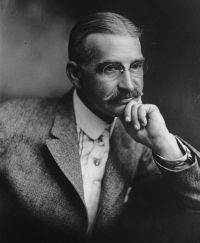
Portrait of L. Frank Baum L. Frank Baum Phoebe Daring: A Story for Young Folk

On the other hand, evidence points to Toby Clark, and unless the real—person—who took the box is discovered, Toby will be convicted on that evidence. That’s the horror of the thing, Phoebe; but horror is sure to follow crime, and a crime has been committed that some one must suffer the penalty for. Who is Toby Clark? A poor boy without a single relative in the world to be shamed by his fate. Friends, yes; a plenty; you and I among ’em; but no friend so close that the prison taint would cling to ’em; not even a sweetheart has Toby.
Source: Gutenberg

Portrait of L. Frank Baum L. Frank Baum Phoebe Daring: A Story for Young Folk

We’ve been idle long enough, Cousin Judith—too long, I fear—and it’s time for us to act.”
“To whom do you refer when you say ‘us’!” asked the Little Mother, smiling at the girl’s earnestness.
“To you and to myself, of course.”
“I fear I am not a good conspirator, Phoebe; though you, I admit, seem qualified to be one. But what may two weak, inexperienced girls do, where a powerful banker and a clever lawyer fail?”
“We can do lots,” asserted Phoebe. “I can’t say just what, until I’ve thought it over; but oughtn’t the right to triumph, Cousin Judith!”
Source: Gutenberg

Portrait of L. Frank Baum L. Frank Baum Phoebe Daring: A Story for Young Folk

It’s all wrong, Toby, and the law is greatly to blame for it, I think. It’s an absurd idea that anyone can swear out a warrant for another person’s arrest, charging him with any dreadful crime, just because that person has a suspicion he is guilty, and makes complaint against him. Any good, honest citizen may be thus disgraced and forced to prove his innocence before he is free again; and even then the smirch clings to him for a long time. It’s an unjust law and ought to be changed. No one should ever be arrested without proof of his crime.
Source: Gutenberg

Get perspective with Kwize: daily news enlightened by great literature