Summary

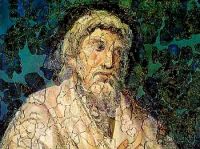
Portrait of Lactantius Lactantius Ante-Nicene Fathers Vol. VI, A Treatise on the Anger of God Addressed to Donatus… (1885)

When God had formed man as it were His own image, that which was the completion of His workmanship, He breathed wisdom into him alone, so that he might bring all things into subjection to his own authority and government, and make use of all the advantages of the world. And yet He set before him both good and evil things, inasmuch as He gave to him wisdom, the whole nature of which is employed in discerning things evil and good: for no one can choose better things, and know what is good, unless he at the same time knows to reject and avoid the things which are evil.
Source: Wikisource

Portrait of Lactantius Lactantius Ante-Nicene Fathers Vol. VI, A Treatise on the Anger of God Addressed to Donatus… (1885)

Therefore, good and evil things being set before it, then at length wisdom discharges its office, and desires the good for usefulness, but rejects the evil for safety. Therefore, as innumerable good things have been given which it might enjoy, so also have evils, against which it might guard. For if there is no evil, no danger—nothing, in short, which can injure man—all the material of wisdom is taken away, and will be unnecessary for man. For if only good things are placed in sight, what need is there of reflection, of understanding, of knowledge, of reason?
Source: Wikisource

Portrait of Lactantius Lactantius Ante-Nicene Fathers Vol. VI, A Treatise on the Anger of God Addressed to Donatus… (1885)

What utility, then, can be discovered in mice, in beetles, in serpents, which are troublesome and pernicious to man? Is it that some medicine lies concealed in them? If there is any, it will at some time be found out, namely, as a remedy against evils, whereas they complain that it is altogether evil.
Source: Wikisource

Get perspective with Kwize: daily news enlightened by great literature