Summary

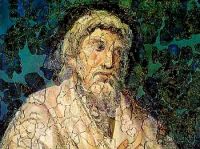
Portrait of Lactantius Lactantius Ante-Nicene Fathers Vol. VII, The Divine Institutes… (1885)

If even they who perceive themselves to be in error err willingly, how much more so do the unlearned vulgar, who delight in empty processions, and gaze at all things with boyish minds! They are delighted with trifling things, and are captivated with the form of images; and they are unable to weigh every object in their own minds, so as to understand that nothing which is beheld by the eyes of mortals ought to be worshipped, because it must necessarily be mortal. Nor is it matter of surprise if they do not see God, when they themselves do not even see man, whom they believe that they see.
Source: Wikisource

Portrait of Lactantius Lactantius Ante-Nicene Fathers Vol. VII, The Divine Institutes… (1885)

Cicero was well aware that the deities which men worshipped were false. For when he had spoken many things which tended to the overthrow of religious ceremonies, he said nevertheless that these matters ought not to be discussed by the vulgar, lest such discussion should extinguish the system of religion which was publicly received. What can you do respecting him, who, when he perceives himself to be in error, of his own accord dashes himself against the stones, that all the people may stumble?
Source: Wikisource

Portrait of Lactantius Lactantius Ante-Nicene Fathers Vol. VII, The Divine Institutes… (1885)

But the more sagacious, because they are ignorant of the true, either persist in those religions which they know to be false, that they may appear to possess something; or worship nothing at all, that they may not fall into error, whereas this very thing partakes largely of error, under the figure of a man to imitate the life of cattle. To understand that which is false is truly the part of wisdom, but of human wisdom.
Source: Wikisource

Get perspective with Kwize: daily news enlightened by great literature