Summary

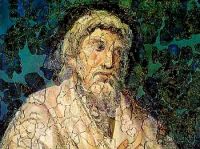
Portrait of Lactantius Lactantius Ante-Nicene Fathers Vol. VII, The Divine Institutes… (1885)

But this is true virtue, which the vaunting philosophers also boast of, not in deed, but with empty words, saying that nothing is so befitting the gravity and constancy of a wise man as to be able to be driven away from his sentiment and purpose by no torturers, but that it is worth his while [1] to suffer torture and death rather than betray a trust or depart from his duty, or, overcome by fear of death or severity of pain, commit any injustice.
Source: Wikisource

Portrait of Lactantius Lactantius Ante-Nicene Fathers Vol. VII, The Divine Institutes… (1885)

But if we possess this constancy, why are we judged foolish when we do those things which philosophers praise? Seneca, in charging men with inconsistency, rightly says the highest virtue appears to them to consist in greatness of spirit; and yet the same persons regard him who despises death as a madman, which is plainly a mark of the greatest perverseness.
Source: Wikisource

Portrait of Lactantius Lactantius Ante-Nicene Fathers Vol. VII, The Divine Institutes… (1885)

And nothing can be more true than this, if it is referred to those who refuse no tortures, no kind of death, that they may not turn aside from faith and justice; who do not tremble at the commands of tyrants nor the swords of rulers, [3] so as not to maintain true and solid liberty with constancy of mind, which wisdom is to be observed in this alone.
Source: Wikisource

Get perspective with Kwize: daily news enlightened by great literature