“ My bosom should be the warm sea Of forgetfulness, tinged with the stains Of the sunset, when day-dreams depart; You should drink at its fountain of kisses, Drink mad of its fathomless deep; Submerged in an ocean of blisses, I'd be something to kiss and to keep. Loving, and tender, and true, I'd be nearer, oh! nearer to you Than the glittering meteors are; Then, love, do not call me a star. REVENITA. TO REVENITA Thou'st made for me an atmosphere of life; The very air is brighter from thine eyes, They are so soft and beautiful, and rife With all we can imagine of the skies. ”
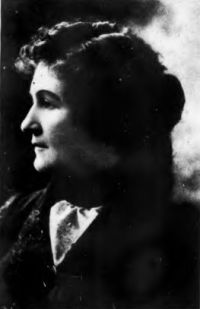
Madge Morris Wagner
Summary
"Debris," a poetic collection by Madge Morris Wagner, explores the interplay of love, loss, and life's delicate beauty through lyrical meditations on longing and impermanence. Themes of gentle affection, despair, and the transient nature of existence resurface, frequently depicted through images of dusk, blooming flowers, and the fragility of childhood.
The work traverses emotional terrain defined by desire and acceptance, as seen in poems addressing forsaken infants, unkept vows, and the comfort derived from passing moments. Wagner's lines, imbued with sorrowful grace, weave together the contrast between hope and grief, portraying the fleeting nature of human experience as both touching and universally resonant.
Quotes from Debris (Madge Morris Wagner)
“ A shade of disappointment Swept over the baby's brow. The dear blue eyes grew misty; O, lips that lived to blame, That kissed and whispered "sometime"— That "sometime" never came. Again, the dim, gray twilight Creeps round with noiseless tread, But on my heart is resting No sunny golden head. No sweet voice pleads with mamma "Tell me a 'tory" now, And only death can take away The shadow on my brow. "IT IS LIFE TO DIE." "It is life to die," the muse has sung, The prophet words have rung from pole to pole, The trust, the hope to which many have clung, An echo woke in many a weary soul. ”
“ How much of care had lighted That lingering, loving kiss, Had you in life but gave it— You never thought of this. No loving hand e'er brightened Her life with tender care, No mother's baby-kisses Were ever hers to share. Only for others caring, The long, long years have fled; Now, only, they say,—the neighbors— "Poor old Aunt Lucy's dead." And they whisper a girl's ambition, A name in the world to make; 'Way back in her vanished youth-time, Gave up for a duty's sake. But whatever had been the story Of love, or grief, or woe, It died with the heart, and no one Will ever care or know. ”
