Summary

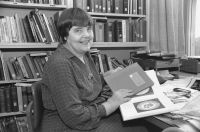
Portrait of Margaret Brown Klapthor Margaret Brown Klapthor Presentation Pieces in the Museum of History and Technology

The collection is also helpful in dating type specimens that do not have specific associations with persons and dates. Perhaps even more interesting than the gamut of styles that the collection presents is the panorama of deeds, events, and persons that our forebears considered worthy of recognition. Silver presentation pieces were awarded to persons in almost every walk of life––to military men, to peace-loving Indians, and to men who achieved success in politics and agriculture.
Source: Gutenberg

Portrait of Margaret Brown Klapthor Margaret Brown Klapthor Presentation Pieces in the Museum of History and Technology

Among the significant social changes that occurred in the 19th century was the movement for woman suffrage that began about the middle of the century as a concerted action by a nucleus of determined women. The crusade gained strength and numbers during the second half of the century, and finally achieved success with the ratification of the Suffrage Amendment in 1920. Many women worked in this cause, and the pieces of presentation silver in the National Museum’s Woman Suffrage Collection constitute a record of the most important leaders.
Source: Gutenberg

Portrait of Margaret Brown Klapthor Margaret Brown Klapthor Presentation Pieces in the Museum of History and Technology

In the midst of the myriad of soldiers, sailors, and politicians who have been presented with silver through the past two centuries, we find an arctic explorer being given similar recognition at the beginning of this century. Rear Admiral Robert E. Peary was the first man to reach the North Pole, and the United States National Museum has a collection of silver presented to him in recognition of this achievement.
Source: Gutenberg

Get perspective with Kwize: daily news enlightened by great literature