Summary

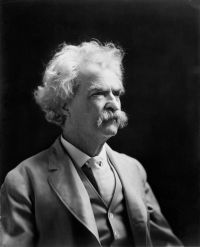
Portrait of Mark Twain Mark Twain The American Claimant — Chapter XXIII (1892)

Tracy was reading her face; and what he read there lifted his drooping hopes a little.
"An earl's son to do that! Why, he were a man! A man to love!—oh, more, a man to worship!"
"Why, I—?"
"But he never lived! He is not born, he will not be born. The self-abnegation that could do that—even in utter folly, and hopeless of conveying benefit to any, beyond the mere example—could be mistaken for greatness; why, it would be greatness in this cold age of sordid ideals!
Source: Wikisource

Portrait of Mark Twain Mark Twain The American Claimant — Chapter XXIII (1892)

I had an ideal—call it a dream, a folly, if you will—but I wanted to renounce the privileges and unfair advantages enjoyed by the nobility and wrung from the nation by force and fraud, and purge myself of my share of those crimes against right and reason, by thenceforth comrading with the poor and humble on equal terms, earning with my own hands the bread I ate, and rising by my own merit if I rose at all.
Source: Wikisource

Portrait of Mark Twain Mark Twain The American Claimant — Chapter XXIII (1892)

In circumstances like these a growing portrait runs a good many risks. The portrait of Sellers, by Tracy, was fighting along, day by day, through this mixed weather, and daily adding to itself ineradicable signs of the checkered life it was leading. It was the happiest portrait, in spots, that was ever seen; but in other spots a damned soul looked out from it; a soul that was suffering all the different kinds of distress there are, from stomach ache to rabies.
Source: Wikisource

Get perspective with Kwize: daily news enlightened by great literature