Summary

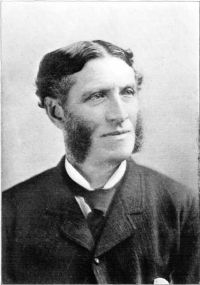
Portrait of Matthew Arnold Matthew Arnold Culture and Anarchy — Conclusion (1882)

We, indeed, pretend to educate no one, for we are still engaged in trying to clear and educate ourselves. But we are sure that the endeavour to reach, through culture, the firm intelligible law of things, we are sure that the detaching ourselves from our stock notions and habits, that a more free play of consciousness, an increased desire for sweetness and light, and all the bent which we call Hellenising, is the master-impulse even now of the life of our nation and of humanity,—somewhat obscurely perhaps for this actual moment, but decisively and certainly for the immediate future
Source: Wikisource

Portrait of Matthew Arnold Matthew Arnold Culture and Anarchy — Conclusion (1882)

So that, for the sake of the present, but far more for the sake of the future, the lovers of culture are unswervingly and with a good conscience the opposers of anarchy. And not as the Barbarians and Philistines, whose honesty and whose sense of humour make them shrink, as we have seen, from treating the State as too serious a thing, and from giving it too much power;— for indeed the only State they know of, and think they administer, is the expression of their ordinary self.
Source: Wikisource

Portrait of Matthew Arnold Matthew Arnold Culture and Anarchy — Conclusion (1882)

For is not this the right crown of the long discipline of Hebraism, and the due fruit of mankind's centuries of painful schooling in self-conquest, and the just reward, above all, of the strenuous energy of our own nation and kindred in dealing honestly with itself and walking steadfastly according to the best light it knows,—that when in the fulness of time it has reason and beauty offered to it, and the law of things as they really are, it should at last walk by this true light with the same staunchness and zeal with which it formerly walked by its imperfect light?
Source: Wikisource

Get perspective with Kwize: daily news enlightened by great literature