Summary

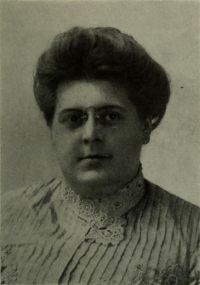
Portrait of Myrtle Reed Myrtle Reed Master of the Vineyard

The new joy surged in every heart-beat as Rosemary went up the Hill of the Muses, late in the afternoon. Instinctively, she sought the place of fulfilment, yearning to be alone with the memory of yesterday.
Nothing was wrong in all the world; nothing ever could be wrong any more. She accepted the brown alpaca and the brown gingham as she did the sordid tasks of every day. That morning, for the first time, it had been a pleasure to wash dishes and happiness to build a fire.
Grandmother and Aunt Matilda had been annoyances to her ever since she could remember.
Source: Gutenberg

Portrait of Myrtle Reed Myrtle Reed Master of the Vineyard

Rosemary said, in a different tone, "but I don't understand it."
"It's like this, Rosemary. My loving her has been like opening the door into the House of Life. It's made everything different for me. It's made me want to make the best of myself, to do things for people, to be kind to everybody. It isn't selfishness—it's unselfishness.
"I told you once that I wanted to take you away from all that misery, and to make you happy. It was true then, and it's true now, but, at that time, I was bound in shallows and didn't know it.
Source: Gutenberg

Portrait of Myrtle Reed Myrtle Reed Master of the Vineyard

Why should I have to teach 'em to read and write when they're determined not to learn? Why do I have to grow grapes when it would be the greatest joy of my life to know that I'd never have to see, touch, taste, or even smell another grape in this world or the next?"
She turned toward him. A late Winter sunset shimmered in the west like some pale, transparent cloth of gold hung from the walls of heaven, but the kindly light lent no beauty to her face. Rosemary's eyes were grey and lustreless, her hair ashen, and almost without colour.
Source: Gutenberg

Get perspective with Kwize: daily news enlightened by great literature