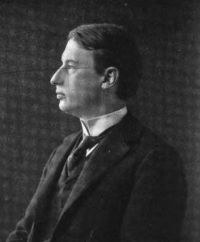
Paul Elmer More

Paul Elmer More

Summary

Portrait of Paul Elmer More Paul Elmer More,  Benjamin Franklin

“ France was glad to encourage America because the loss of the colonies would weaken the British Empire, and that was natural; but it is, I think, a mistake not to acknowledge the generous sentiments of the people and even of the grandees of the land. Voltaire and Rousseau had not been preaching in vain; the American Declaration of Independence was quite in the drift of French political ideas. But to awaken trust in a people who dwelt in a far-off wilderness and who were commonly esteemed little better than savages, the presence of such a man as Franklin was of incalculable value. ”
Source: Gutenberg

Portrait of Paul Elmer More Paul Elmer More,  Benjamin Franklin

“ Philadelphia knew that she had lost her most distinguished citizen, and he was followed to the grave by a procession including all that was honorable in the city.
In closing this brief Life of a great and good man we cannot do better than quote the words sent to him by America's greatest citizen: "If to be venerated for benevolence, if to be admired for talent, if to be esteemed for patriotism, if to be beloved for philanthropy, can gratify the human mind, you must have the pleasing consolation to know that you have not lived in vain.
”
Source: Gutenberg

Portrait of Paul Elmer More Paul Elmer More,  Benjamin Franklin

“ This intimate acquaintance with Whitefield forms something like a bond of union between Franklin and his only intellectual compeer, Jonathan Edwards; and the different attitude of the two men towards the wandering revivalist is a good illustration of the great contrast in their characters. If Franklin may in some ways be called the typical American, yet the lonely, introverted, God-intoxicated soul of Edwards stands as a solemn witness to depths of understanding in his countrymen which Dr. Franklin's keen wit had no means of fathoming. ”
Source: Gutenberg

Get perspective with Kwize: daily news enlightened by great literature