Summary

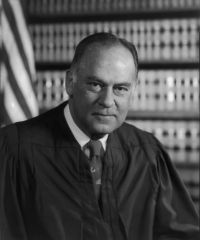
Portrait of Potter Stewart Potter Stewart Griffin v. California — Dissent

I think the California comment rule is not a coercive device which impairs the right against self-incrimination, but rather a means of articulating and bringing into the light of rational discussion a fact inescapably impressed on the jury's consciousness. The California procedure is not only designed to protect the defendant against unwarranted inferences which might be drawn by an uninformed jury
Source: Wikisource

Portrait of Potter Stewart Potter Stewart Griffin v. California — Dissent

But whenever in a jury trial a defendant exercises this constitutional right, the members of the jury are bound to draw inferences from his silence. No constitution can prevent the operation of the human mind. Without limiting instructions, the danger exists that the inferences drawn by the jury may be unfairly broad. Some States have permitted this danger to go unchecked, by forbidding any comment at all upon the defendant's failure to take the witness stand.
Source: Wikisource

Portrait of Potter Stewart Potter Stewart Griffin v. California — Dissent

It is not, as I understand the problem, that the jury becomes aware that the defendant has chosen not to testify in his own defense, for the jury will, of course, realize this quite evidence fact, even though the choice goes unmentioned. Since comment by counsel and the court does not compel testimony by creating such an awarencess, the Court must be saying that the California constitutional provision places some other compulsion upon the defendant to incriminate himself, some compulsion which the Court does not describe and which I cannot readily perceive.
Source: Wikisource

Get perspective with Kwize: daily news enlightened by great literature