Summary

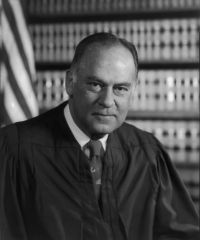
Portrait of Potter Stewart Potter Stewart Hoffa v. United States Parks — Opinion of the Court

The police are not required to guess at their peril the precise moment at which they have probable cause to arrest a suspect, risking a violation of the Fourth Amendment if they act too soon, and a violation of the Sixth Amendment if they wait too long. Law enforcement officers are under no constitutional duty to call a halt to a criminal investigation the moment they have the minimum evidence to establish probable cause, a quantum of evidence which may fall far short of the amount necessary to support a criminal conviction.
Source: Wikisource

Portrait of Potter Stewart Potter Stewart Hoffa v. United States Parks — Opinion of the Court

The established safeguards of the Anglo-American legal system leave the veracity of a witness to be tested by cross-examination, and the credibility of his testimony to be determined by a properly instructed jury. At the trial of this case, Partin was subjected to rigorous cross-examination, and the extent and nature of his dealings with federal and state authorities were insistently explored. [12] The trial judge instructed the jury, both specifically [13] and generally, [14] with regard to assessing Partin's credibility. The Constitution does not require us to upset the jury's verdict.
Source: Wikisource

Get perspective with Kwize: daily news enlightened by great literature