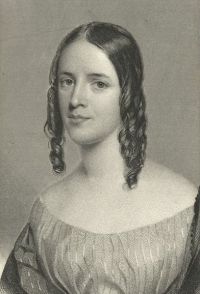
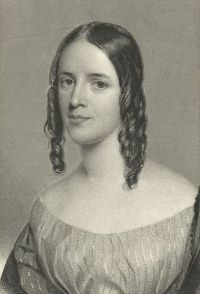
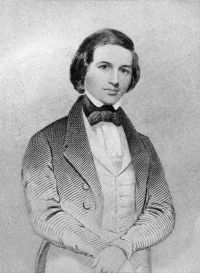
“ Caldwell rolled up her sleeves, and set to work, but awkwardly. Household work comes naturally to many educated women; they like it, and they do it well; but Mrs. Caldwell was not one of this kind. She was not made for labour, but for luxury; her hands and arms, both delicately beautiful in form and colour, alone showed that. Her whole air betokened gentle birth and breeding. She looked out of place in the kitchen, and it was evident that she could only acquit herself well among the refinements of life. ”
Caldwell
Definition and stakes
The theme of "Caldwell" encompasses literary portrayals of individuals bearing this surname, covering domestic life, historical accounts, and personal resilience. Authors like Sarah Grand depict Mrs. Caldwell as a woman unsuited to labor, contrasting her refined demeanor with the demands of household duties. Others, such as Mrs. John A.
Logan, emphasize Caldwell’s moral courage during times of conflict, while Henry Morse Stephens portrays a Caldwell’s military service amid personal hardship. These varied depictions highlight the surname’s connection to complex human experiences, ranging from societal roles to individual strength, revealing a multifaceted legacy in literature.
Quotes about “Caldwell”
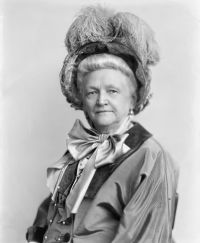 Mrs. John A. Logan,
The Part Taken by Women in American History
(1912)
Mrs. John A. Logan,
The Part Taken by Women in American History
(1912)
“ A small man who stood at the distance of a few feet presently stepped up and with tears in his eyes said that he had a wife, and a fine little woman she was too, and that he would not allow any rudeness to be practiced toward Mrs. Caldwell. His interference compelled the depredator to restore the valued article, and then the tide of opinion turned, and the British soldiers cheered lustily for courageous Rachel Caldwell. After the war Doctor Caldwell resumed his labors as teacher and preacher. ”
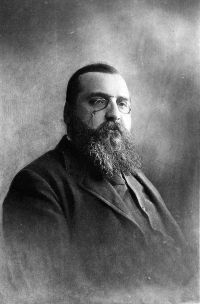 Henry Morse Stephens,
Dictionary of National Biography…
(1886)
Henry Morse Stephens,
Dictionary of National Biography…
(1886)
“ He entered the Austrian army at an early age. While stationed at Prague he accidentally set fire to the furniture in his lodgings, and his landlord applied to have his pay sequestrated to pay for the damage. The brothers of the Irish Franciscan convent came to his aid on account of the kindness with which Caldwell's father had treated his catholic neighbours (Burke, Peerage and Baronetage, 1837, ‘Caldwell, bart.’) Caldwell served with honour throughout the seven years' war ”