Summary

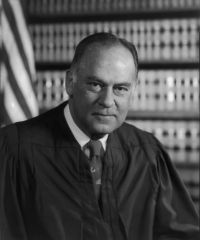
Portrait of Potter Stewart Potter Stewart In re Gault (387 U.S. 1) — Dissent

But I am certain that the answer does not lie in the Court's opinion in this case, which serves to convert a juvenile proceeding into a criminal prosecution.
The inflexible restrictions that the Constitution so wisely made applicable to adversary criminal trials have no inevitable place in the proceedings of those public social agencies known as juvenile or family courts. And to impose the Court's long catalog of requirements upon juvenile proceedings in every area of the country is to invite a long step backwards into the nineteenth century.
Source: Wikisource

Portrait of Potter Stewart Potter Stewart In re Gault (387 U.S. 1) — Dissent

A State in all its dealings must, of course, accord every person due process of law. And due process may require that some of the same restrictions which the Constitution has placed upon criminal trials must be imposed upon juvenile proceedings. For example, I suppose that all would agree that a brutally coerced confession could not constitutionally be considered in a juvenile court hearing. But it surely does not follow that the testimonial privilege against self-incrimination is applicable in all juvenile proceedings.
Source: Wikisource

Get perspective with Kwize: daily news enlightened by great literature