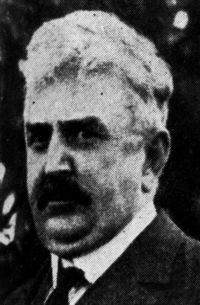
Raymond S. Spears

Raymond S. Spears

Summary

Portrait of Raymond S. Spears Raymond S. Spears The Furtiveness of Liquor (1923)

In Knoxville, Tennessee—well, in no part of the land could a man walk unchallenged, uninvited, even unassailed by the votaries of liquor in those old days. It flaunted itself even in the dry States, if one was white. Now even a rotund old fellow with some geniality of appearance and rather sociable in his ways goes from end to end of the United States, and the only place where any one ever asks him to witness liquor in its bottles is in his home town among people who know him.
Source: Wikisource

Portrait of Raymond S. Spears Raymond S. Spears The Furtiveness of Liquor (1923)

Since prohibition went into effect I have been through places and across regions that I knew twenty years ago, during years before the idea of prohibition was anything but a joke and drys "queer birds." Let me say offhand that a traveler could not then cross the United States or go anywhere in the country and not find himself constantly beset by liquor and constantly witness its effects on men and women.
Source: Wikisource

Portrait of Raymond S. Spears Raymond S. Spears The Furtiveness of Liquor (1923)

And now liquor simply is utterly invisible from the highways. One must know what illicit liquor does to an automobile, to a building, to a town, or to a locality to see where liquor is "working." Consider Memphis, on the Mississippi. Twenty years ago from the shanty-boat colony on the slough to its busiest street in the oheerfulest corners liquor obtruded itself on men, women, and even children. To-day a man can walk every street in Memphis in the sunshine, and go unchallenged by liquor. The sign of liquor is in the murder record of the city; liquor can be found in road-houses
Source: Wikisource

Get perspective with Kwize: daily news enlightened by great literature