Summary

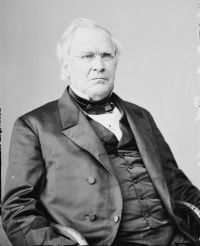
Portrait of Robert Cooper Grier Robert Cooper Grier Haight v. Railroad Company — Opinion of the Court

There is no special contract to pay government taxes upon the interest. The measure of the company's liability is expressed in the bonds as being debt and interest only. It has nothing to do with the taxes which the government may impose upon the plaintiff for the interest payable to him. The clause in the mortgage cannot enlarge the duty which the mortgage was given to secure, that is, the payment of debt and interest. It is to be found in all mortgages. . . . The plaintiff, a citizen of New York, pays no internal revenue tax on these bonds at the place of his residence.
Source: Wikisource

Portrait of Robert Cooper Grier Robert Cooper Grier Haight v. Railroad Company — Opinion of the Court

The provision in the condition of defeasance of the mortgage, has reference only to covenants between mortgagor and mortgagee, and is usual in every mortgage; being put there in order to secure the mortgagee, who may not be in possession, from demand for taxes incurred while the mortgagor was in possession. It can have no possible application to the income tax of bondholders. The 122d section of the revenue act of 1864, was enacted for greater facility of collection of the tax. These corporators often contract to pay for the bondholder all such taxes
Source: Wikisource

Get perspective with Kwize: daily news enlightened by great literature