Summary

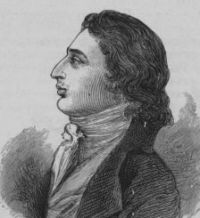
Portrait of Robert Southey Robert Southey Joan of Arc (Southey) — Book the Third (1796)

But all this solemn preparation was only a cover for the basest treachery, which was deliberately premeditated by the Duke of Burgundy. He procured his rival to be assassinated in the streets of Paris: he endeavoured for some time to conceal the part which he took in the crime, but being detested, he embraced a resolution still more criminal and more dangerous to society, by openly avowing and justifying it.
Source: Wikisource

Portrait of Robert Southey Robert Southey Joan of Arc (Southey) — Book the Third (1796)

The Parliament itself of Paris, the tribunal of justice, heard the harangues of the Duke's advocate, in defence of assassination, which he termed tyrannicide; and that assembly, partly influenced by faction, partly overawed by power, pronounced no sentence of condemnation against this detestable doctrine."———" This murder and still more the open avowal of the deed, and defence of the doctrine, tended to dissolve all bands of civil society, and even men of honour, who detested the example, might deem it just, on a favourable opportunity, to retaliate upon the author.
Source: Wikisource

Portrait of Robert Southey Robert Southey Joan of Arc (Southey) — Book the Third (1796)

The proud and powerful Richemont, [2] who long time40
Most sternly jealous of the royal ear
With midnight murder leagues, and down the Loire,
Rolls the black carcase of his strangled foe.
Now confident of strength, at the King's feet
He stabs the King's best friends, and then demands,45
As with a conqueror's imperious tone,
The post of honor. Son of that lov'd Chief
Whose death my arm aveng'd, may thy days
Be happy; serve thy country in the field, [3]
And in the hour of peace amid thy friends50
Dwell thou without ambition.
Source: Wikisource

Get perspective with Kwize: daily news enlightened by great literature