Summary

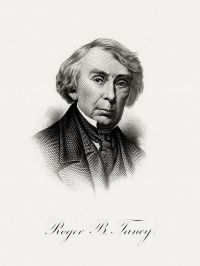
Portrait of Roger B. Taney Roger B. Taney Villabolos v. United States — Opinion of the Court

It will be found, upon examination, that, in the Florida cases heretofore brought up for revision, the appeal in every instance was in fact prayed for in open court, and in presence of the opposing party. In such cases no citation is necessary, and it was wholly immaterial whether the citation was signed according to law, or issued by the clerk. Moreover, in those cases, the opposing counsel having entered their appearance, the defect was cured. It is clear, to my mind, that no aid can be drawn from those precedents to sustain the present proceedings.
Source: Wikisource

Portrait of Roger B. Taney Roger B. Taney Villabolos v. United States — Opinion of the Court

It was not my intention to waive any of the rights of the United States in this case, and I have so apprised the counsel, since the printed argument of the appellants was filed. What I intended to say in the argument, I have now to repeat, and it is, that when the appeal is regularly allowed by the presiding judge within the period prescribed by law, a legal citation may issue and be served after that time, provided it be at least thirty days before the return-day of the writ of error.
Source: Wikisource

Portrait of Roger B. Taney Roger B. Taney Villabolos v. United States — Opinion of the Court

The practice, if sustained, would introduce great looseness into legal proceedings, and create confusion and uncertainty in the rights of property over which such a notice of appeal was permitted to hang. It is often the main purpose of an appeal to secure a new trial, which it is always desirable to have during the lifetime of the witnesses who testified in the court below.
Source: Wikisource

Get perspective with Kwize: daily news enlightened by great literature