Summary

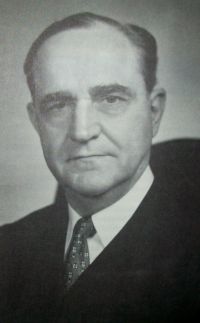
Portrait of Sherman Minton Sherman Minton Sullivan v. United States (348 U.S. 170…

Under Rule 32 (d) [5] a defendant may, after sentence, withdraw a plea of nolo contendere to correct manifest injustice. It is this provision that petitioner relies upon. He claims he was somehow misled by Government counsel to believe that if he entered the pleas of nolo contendere he would receive probation. By the court's findings, which, in light of the evidence, raise not a doubt, it is settled that the court in no way misled the petitioner and that Government counsel made no promises of leniency or probation.
Source: Wikisource

Portrait of Sherman Minton Sherman Minton Sullivan v. United States (348 U.S. 170…

On February 28, 1952, a duly constituted grand jury for the District of Kansas indicted the petitioner on four counts for false and fraudulent statements in his individual tax returns and on two counts in another indictment for false and fraudulent returns of the Central Theatre Co., a corporation of which he was president. To these indictments the petitioner entered pleas of not guilty. He later withdrew these pleas, and to two counts of the indictment on his individual returns and to one count on the corporation returns, he entered pleas of nolo contendere.
Source: Wikisource

Portrait of Sherman Minton Sherman Minton Sullivan v. United States (348 U.S. 170…

Prior to Executive Order No. 6166, prosecutions for the violation of internal revenue laws were often referred directly to United States District Attorneys for presentation to grand juries. The purpose of § 5 of Executive Order No. 6166, among other things, was to transfer responsibility for the prosecution of criminal proceedings and suits by or against the United States in civil matters to the Department of Justice.
Source: Wikisource

Get perspective with Kwize: daily news enlightened by great literature