Summary

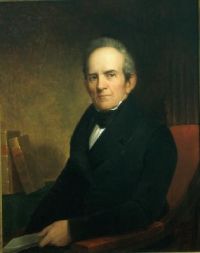
Portrait of Smith Thompson Smith Thompson Sampeyreac v. United States — Opinion of the Court

And as Sampeyreac was a fictitious person, he was no party to the decree, and the act in strictness does not apply to the case. But, considering the act of 1830 as providing a remedy only, it is entirely unexceptionable. It has been repeatedly decided in this court, that the retrospective operation of such a law forms no objection to it. Almost every law, providing a new remedy, affects and operates upon causes of action existing at the time the law is passed. The law of 1830 is in no respect the exercise of judicial powers.
Source: Wikisource

Portrait of Smith Thompson Smith Thompson Sampeyreac v. United States — Opinion of the Court

It only organizes a tribunal with powers to entertain judicial proceedings. When the original decree was entered, there was no person in existence whose claim could be ripened into a right against the United Stated by omitting to appeal. Stewart was not only no party to the decree, but his purchase from Bowie was nearly a year after the decree was entered.
Source: Wikisource

Portrait of Smith Thompson Smith Thompson Sampeyreac v. United States — Opinion of the Court

That by virtue of such grant and order of survey, the petitioner acquired a claim to the land, which claim is secured to him by the treaty between the United States and the French republic, of the 30th of April 1803.
The district attorney put in an answer, denying the several facts and allegations in the bill, and alleging that grants could only be made, legally, to persons in existence and actually residing in Louisiana. That Sampeyreac, in whose name the bill is filed, is a fictitious person, never having had any actual existence, or if such person ever had any existence he was a foreigner
Source: Wikisource

Get perspective with Kwize: daily news enlightened by great literature