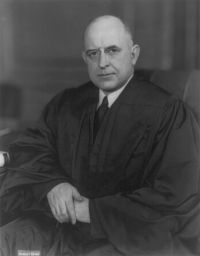
 Stanley Forman Reed,
Continental Casualty Company v…
Stanley Forman Reed,
Continental Casualty Company v…
“ This is the principal in the recognizance. By its terms he agrees to 'appear for judgment.' When without excuse he fails to appear, there is a willful default. The surety only guarantees that the principal will not default. In a certain sense the surety may default by failure to pay its obligation but this is plainly not the kind of default to which the statute refers. Nor will the possibility of collusion of the surety with the absconding principal permit an interpretation that misconduct on the part of the applicant for relief from forfeiture is the 'default' meant by the statute. ”
