Summary

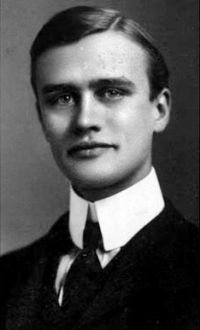
Portrait of T. S. Stribling T. S. Stribling The Web of the Sun (Adventure Magazine… (1922)

PLAZA SAN FRANCISCO, the live stock grain market of Quito, is a colorful, noisy place set in the cold brilliance of mountain sunshine. A babble of bastard Spanish, Aymara and Quichua dialects fill the air. The air is rank with the smell of animal ammonia, straw, droppings, mules and burros. Buyers and venders come and go with strings of donkeys, mules and high-necked llamas. Over the plaza are ponchos of every color, greens, yellows, oranges, reds, stripes, checks and fanciful designs. There is much sombrero tipping and courtly address between all men, rich or beggarly.
Source: Wikisource

Portrait of T. S. Stribling T. S. Stribling The Web of the Sun (Adventure Magazine… (1922)

It was these girls coming out of the crevices in the rocks that made this groveling existence human to Lassiter. Often these girl faces held that strange quality of wistfulness that belongs to youth and maidenhood. Of what they dreamed, Lassiter could not imagine. What they were to become, he saw too plainly: Hags in a hole, used and shapeless, flowers crushed in a sty.
And Zeke Birdsong came along and gave them little Spanish Testaments.
Source: Wikisource

Portrait of T. S. Stribling T. S. Stribling The Web of the Sun (Adventure Magazine… (1922)

The man might have been born a mulero. But Lassiter's costume affected him both physically and mentally. The loose freedom of the poncho lifted his spirits; in the wide trousers his legs felt fit for running and jumping.
As he walked along the heavy Spanish streets of Quito, kinship of costume made him realize that the mestizos and Indian muleteers he met were human beings like himself—which is a remarkable realization for an upper-middle-class man.
Source: Wikisource

Get perspective with Kwize: daily news enlightened by great literature