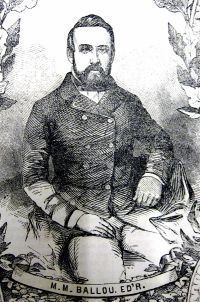
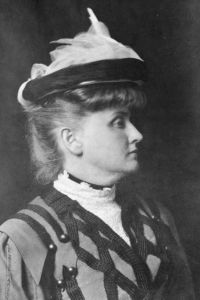
The concept of caballero, derived from the Spanish word for "gentleman," encapsulates ideals of honor, chivalry, and social standing, often shaped by regional and cultural influences. Authors such as Amy Ella Blanchard and Maturin M. Ballou portray the caballero through detailed depictions of clothing and ritualized conduct, underscoring his status as a person of respect.
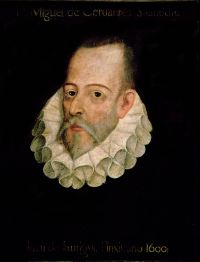
In contrast, Johnston McCulley and Gustave Aimard situate the term within stories of struggle and self-identity, emphasizing its connection to endurance and prestige. Meanwhile, Miguel de Cervantes Saavedra’s allusions to chivalric spectacle highlight the lasting literary significance of the caballero as a representation of both courage and societal norms. Through these diverse interpretations, the theme offers a complex perspective for examining cultural values and human conduct.
 Amy Ella Blanchard,
The four Corners in California
(1907)
Amy Ella Blanchard,
The four Corners in California
(1907)