Summary

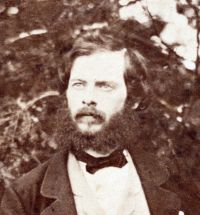
Portrait of Theodore Winthrop Theodore Winthrop “The Heart of the Andes” — Part 2 – Introduction (1863)

Recipients of the boons of Art have their duty co-ordinate with the artist’s. Art gives a bounty or a pittance, as we have the will or the capacity to receive, — copper to the blind, silver to the fond, red gold to the passionate, dense light of diamond to the faithful lover. We gain from a noble picture according to our serenity, our pureness, our docility, our elevation of mind.
Source: Wikisource

Portrait of Theodore Winthrop Theodore Winthrop “The Heart of the Andes” — Part 2 – Introduction (1863)

An artist feels the warmth of intelligent sympathy, as a peach feels sunshine. The applause of a mob has a noisy charm, like the flapping of wings in an army of wild-pigeons, but the tidal sympathy of a throng of brother men stirs the life-blood. When a man of genius asks if he speak the truth, and the world responds with a magnificent “Ay!” thenceforth his impulses move with the momentum of mankind. Appreciation is the cause and the consequence of excellence.
Source: Wikisource

Portrait of Theodore Winthrop Theodore Winthrop “The Heart of the Andes” — Part 2 – Introduction (1863)

A great artist owes a mighty debt to mankind for their labor and thought, since thought and toil began. He must give token that he is no thankless heritor of the sum of human knowledge, no selfish or indolent possessor of man’s purest ideals of beauty. The world is very tender, but very exacting with genius. True genius accepts its duty, and will not rest short of the highest truth of its age. A master artist works his way to the core of Nature, because he demands not husks nor pith, but kernel.
Source: Wikisource

Get perspective with Kwize: daily news enlightened by great literature