Summary

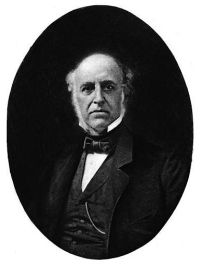
Portrait of Thomas Bulfinch Thomas Bulfinch The Age of Fable: — Chapter II: Prometheus and Pandora (1855)

The earth brought forth all things necessary for man, without his labor in ploughing or sowing. Perpetual spring reigned, flowers sprang up without seed, the rivers flowed with milk and wine, and yellow honey distilled from the oaks.
Then succeeded the Silver Age, inferior to the golden, but better than that of brass. Jupiter shortened the spring, and divided the year into seasons. Then, first, men had to endure the extremes of heat and cold, and houses became necessary.
Source: Wikisource

Portrait of Thomas Bulfinch Thomas Bulfinch The Age of Fable: — Chapter II: Prometheus and Pandora (1855)

The road, which any one may see in a clear night, stretches across the face of the sky, and is called the Milky Way. Along the road stand the palaces of the illustrious gods; the common people of the skies live apart, on either side. Jupiter addressed the assembly. He set forth the frightful condition of things on the earth, and closed by announcing his intention to destroy the whole of its inhabitants, and provide a new race, unlike the first, who would be more worthy of life, and much better worshippers of the gods.
Source: Wikisource

Portrait of Thomas Bulfinch Thomas Bulfinch The Age of Fable: — Chapter II: Prometheus and Pandora (1855)

The birds fall with weary wing into the water, having found no land for a resting-place. Those living beings whom the water spared fell a prey to hunger.
Parnassus alone, of all the mountains, overtopped the waves; and there Deucalion, and his wife Pyrrha, of the race of Prometheus, found refuge—he a just man, and she a faithful worshipper of the gods. Jupiter, when he saw none left alive but this pair, and remembered their harmless lives and pious demeanor, ordered the north winds to drive away the clouds, and disclose the skies to earth, and earth to the skies.
Source: Wikisource

Get perspective with Kwize: daily news enlightened by great literature