Summary

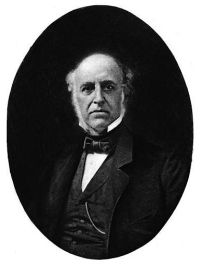
Portrait of Thomas Bulfinch Thomas Bulfinch The Age of Fable: — XI. Cupid and Psyche (1855)

Psyche, in vain endeavoring to follow him, fell from the window to the ground. Cupid, beholding her as she lay in the dust, stopped his flight for an instant and said, "O foolish Psyche, is it thus you repay my love? After having disobeyed my mother's commands and made you my wife, will you think me a monster and cut off my head? But go; return to your sisters, whose advice you seem to think preferable to mine. I inflict no other punishment on you than to leave you forever. Love cannot dwell with suspicion."
Source: Wikisource

Portrait of Thomas Bulfinch Thomas Bulfinch The Age of Fable: — XI. Cupid and Psyche (1855)

The fable of Cupid and Psyche is usually considered allegorical. The Greek name for a butterfly is Psyche, and the same word means the soul. There is no illustration of the immortality of the soul so striking and beautiful as the butterfly, bursting on brilliant wings from the tomb in which it has lain, after a dull, grovelling, caterpillar existence, to flutter in the blaze of day and feed on the most fragrant and delicate productions of the spring.
Source: Wikisource

Portrait of Thomas Bulfinch Thomas Bulfinch The Age of Fable: — XI. Cupid and Psyche (1855)

Her two elder sisters of moderate charms had now long been married to two royal princes; but Psyche, in her lonely apartment, deplored her solitude, sick of that beauty which, while it procured abundance of flattery, had failed to awaken love.
Her parents, afraid that they had unwittingly incurred the anger of the gods, consulted the oracle of Apollo, and received this answer: "The virgin is destined for the bride of no mortal lover. Her future husband awaits her on the top of the mountain. He is a monster whom neither gods nor men can resist."
Source: Wikisource

Get perspective with Kwize: daily news enlightened by great literature