Thomas Hodgkin

Thomas Hodgkin

Summary

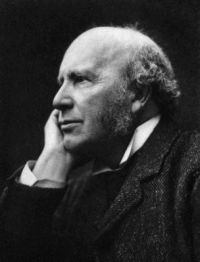
Portrait of Thomas Hodgkin Thomas Hodgkin 1911 Encyclopædia Britannica (1911)

The provincial population, crushed under a load of unjust taxation, could no longer furnish soldiers in the numbers required for the defence of the empire; and on the other hand, the emperors, ever fearful that a brilliantly successful general of Roman extraction might be proclaimed Augustus by his followers, preferred that high military command should be in the hands of a man to whom such an accession of dignity was as yet impossible.
Source: Wikisource

Portrait of Thomas Hodgkin Thomas Hodgkin 1911 Encyclopædia Britannica (1911)

The settlement of the barbarian soldiers on the lands of Italy probably affected the great landowners rather than the labouring class. To the herd of coloni and servi, by whom in their various degrees the land was actually cultivated, it probably made little difference, except as a matter of sentiment, whether the master whom they served called himself Roman or Rugian. We have one most interesting example, though in a small way, of such a transfer of land with its appurtenant slaves and cattle, in the donation made by Odoacer himself to his faithful follower Piers.
Source: Wikisource

Portrait of Thomas Hodgkin Thomas Hodgkin 1911 Encyclopædia Britannica (1911)

The weapon of famine, formerly in the hand of Alaric, was thus turned against him, and loud in consequence were the murmurs of the Roman populace. Honorius was also greatly strengthened by the arrival of six legions sent from Constantinople to his assistance by his nephew Theodosius II. Alaric therefore cashiered his puppet emperor Attalus after eleven months of ineffectual rule, and once more tried to reopen negotiations with Honorius. These negotiations would probably have succeeded but for the malign influence of another Goth, Sarus, the hereditary enemy of Alaric and his house.
Source: Wikisource

Get perspective with Kwize: daily news enlightened by great literature