Summary

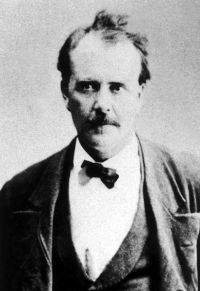
Portrait of Wells Spicer Wells Spicer Decision of Judge Wells Spicer after the Preliminary Hearing in the Earp-Holliday Case (1881)

Considering all the testimony together, I am of the opinion that the weight of evidence sustains and corroborates the testimony of Wyatt and Virgil Earp, that their demand for a surrender was met by William Clanton and Frank McLaury drawing or making motions to draw, their pistols. Upon this hypothesis my duty is clear. The defendants were officers charged with the duty of arresting and disarming brave and determined men who were experts in the use of firearms, as quick as thought and certain as death, and who had previously declared their intentions not to be arrested or disarmed.
Source: Wikisource

Portrait of Wells Spicer Wells Spicer Decision of Judge Wells Spicer after the Preliminary Hearing in the Earp-Holliday Case (1881)

It does not appear to have been a wanton slaughter of unresisting and unarmed innocents, who were yielding, graceful submission to the officers of the law, or surrendering to, or fleeing from their assailants, but armed and defiant men, accepting the wager of battle and succumbing only in death.
Source: Wikisource

Portrait of Wells Spicer Wells Spicer Decision of Judge Wells Spicer after the Preliminary Hearing in the Earp-Holliday Case (1881)

In view of the past history of the country, and the generally believed existence at this time of desperate, reckless men in our midst, banded together for mutual support, and living by felonious and predatory pursuits, regarding neither life or property in their career, and at this time for men to parade the streets armed with repeating rifles and six-shooters, and demand that the chief of police of the city and his assistants should be disarmed, is a proposition both monstrous and startling. This was said by one of the deceased only a few minutes before the arrival of the Earps.
Source: Wikisource

Get perspective with Kwize: daily news enlightened by great literature