Summary

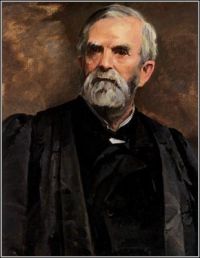
Portrait of William Burnham Woods William Burnham Woods Blennerhassett v. Sherman — Opinion of the Court

It is not to be disputed that, except as forbidden by the bankrupt law, a debtor has the right to prefer one creditor over another, and that the vigilant creditor is entitled to the advantage secured by his watchfulness and attention to his own interests. Neither can it be denied that the mere failure to record a mortgage is not a ground for setting it aside for the benefit of subsequent creditors who have acquired no specific lien on the property described in the mortgage.
Source: Wikisource

Portrait of William Burnham Woods William Burnham Woods Blennerhassett v. Sherman — Opinion of the Court

It also brings home to Stephens and Blennerhassett the knowledge of the desperate shifts and devices to which he and the bank were driven to meet their engagements, and keep the fact of their utter bankruptcy from the knowledge of the public. It is impossible that men of much less business experience and intelligence than they are shown to be should know what they did of the resources and practices of Allen and the Cook County Bank, and not have known of the insolvency of both.
Source: Wikisource

Portrait of William Burnham Woods William Burnham Woods Blennerhassett v. Sherman — Opinion of the Court

But where a mortgagee, knowing that his mortgagor is insolvent, for the purpose of giving him a fictitious credit actively conceals the mortgage which covers his entire estate and withholds it from the record, and while so concealing it represents the mortgagor as having a large estate and unlimited credit, and by these means others are induced to give him credit, and he fails and is unable to pay the debts thus contracted, the mortgage will be declared fraudulent and void at common law, whether the motive of the mortgagee be gain to himself or advantage to his mortgagor.
Source: Wikisource

Get perspective with Kwize: daily news enlightened by great literature