Summary

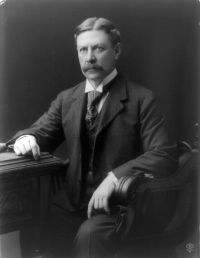
Portrait of William Henry Moody William Henry Moody Elder v. Wood — Opinion of the Court

A statute of Colorado authorized the taxation of mining claims, whether patented or entered for patent or not, in these words: 'In case the mine or mining claim shall not be patented, or entered for a patent, but shall be assessable and taxable under this act, on account of producing gross proceeds, then, and in that case, the possession shall be the subject of the assessment, and if said mining property be sold for taxes levied, the sale for such taxes shall pass the title and right of possession to the purchaser, under the laws of Colorado.' Laws 1887, pp.
Source: Wikisource

Portrait of William Henry Moody William Henry Moody Elder v. Wood — Opinion of the Court

Such an interest from early times has been held to be property, distinct from the land itself, vendible, inheritable, and taxable. Forbes v. Gracey, 94 U.S. 762, 24 L. ed. 313; Belk v. Meagher, 104 U.S. 279, 283, 26 L. ed. 735, 737; Manuel v. Wulff, 152 U.S. 505, 510, 38 L. ed. 532, 534, 14 Sup. Ct. Rep. 651; St. Louis Min. & Mill. Co. v. Montana Min. Co. 171 U.S. 650, 655, 43 L. ed. 320, 322, 19 Sup. Ct. Rep. 61; 1 Lindley, Mines, §§ 535 to 542, inclusive. The state, therefore, had the power to tax this interest in the mining claim and enforce the collection of the tax by sale.
Source: Wikisource

Get perspective with Kwize: daily news enlightened by great literature