Summary

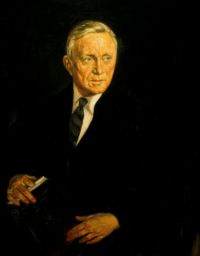
Portrait of William O. Douglas William O. Douglas Clancy v. United States — Opinion of the Court

The omission from the reports of facts related at the trial, or a contrast in emphasis upon the same facts, even a different order of treatment, are also relevant to the cross-examining process of testing the credibility of a witness' trial testimony.'
Accordingly we conclude that at least as respects some of these statements reversible error was committed and that petitioners are entitled to a new trial. There are other questions raised that we do not reach, as we have no way of knowing whether they will arise on a new trial.
Source: Wikisource

Portrait of William O. Douglas William O. Douglas Clancy v. United States — Opinion of the Court

It also asserts-though the record is silent and counsel for petitioners deny it-that verbatim carbon copies of the reports of Agents Bueschner and Mochel were delivered to the defense at the trial. But since its version of what transpired is contested, the Government urges that the most we do is to remand the case to the District Court to determine whether verbatim copies of the reports were delivered to the defense at the trial. If they were so delivered, the Government argues, the court's denial of their production was harmless error.
We do not follow that suggestion.
Source: Wikisource

Portrait of William O. Douglas William O. Douglas Clancy v. United States — Opinion of the Court

United States
Argued: Jan. 10, 1961. --- Decided: Feb 27, 1961
This case presents an important question under 71 Stat. 595, 18 U.S.C. § 3500, 18 U.S.C.A. § 3500, the statute sometimes referred to as the Jencks Act, as it deals with the problems presented in our decision by that name. Jencks v. United States, 353 U.S. 657, 77 S.Ct. 1007, 1 L.Ed.2d 1103.
Source: Wikisource

Get perspective with Kwize: daily news enlightened by great literature