Summary

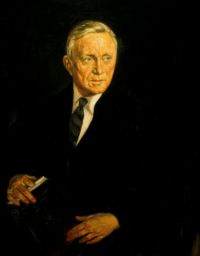
Portrait of William O. Douglas William O. Douglas Morris v. Jones — Opinion of the Court

And the Missouri judgment may not be defeated by virtue of the fact that under other circumstances petitioner might not have been able to obtain it in Missouri or to have received any benefit from it there, as, for example, if a liquidator had been appointed for the debtor in Missouri prior to judgment. The full faith and credit to which a judgment is entitled is the credit which it has in the State from which it is taken, not the credit that under other circumstances and conditions it might have had.
Source: Wikisource

Portrait of William O. Douglas William O. Douglas Morris v. Jones — Opinion of the Court

The argument of convenience, moreover, proves too much. In the first place, it would often be equally appealing to in ividuals or corporations engaging in multistate activities which might well prefer to defend law suits at home. In the second place, against the convenience of the administration of assets in Illinois is the hardship on the Missouri credits if he were forced to drop his Missouri litigation, bring his witnesses to Illinois, and start all over again. But full faith and credit is a more inexorable command
Source: Wikisource

Portrait of William O. Douglas William O. Douglas Morris v. Jones — Opinion of the Court

The Missouri judgment represents a liability for acts committed by Chicago Lloyds, not for those of the liquidator. The claims for which the Illinois assets are being administered are claims against Chicago Lloyds. The Missouri judgment represents one of them. There is no more reason for discharging a liquidator from the responsibility for defending pending actions than there is for relieving a receiver of that task.
Source: Wikisource

Get perspective with Kwize: daily news enlightened by great literature