Summary

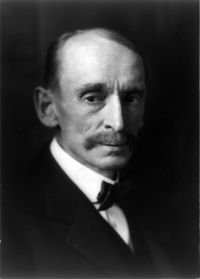
Portrait of William R. Day William R. Day Dowdell v. United States — Opinion of the Court

Where a court, upon suggestion of the diminution of the record, orders a clerk of the court below to send up a more ample record, or to supply deficiencies in the record filed, there is no production of testimony against the accused, within the meaning of this provision as to meeting witnesses face to face, in permitting the clerk to certify the additional matter.
Source: Wikisource

Portrait of William R. Day William R. Day Dowdell v. United States — Opinion of the Court

But this general rule of law embodied in the Constitution, and carried by statute to the Philippines, and intended to secure the right of the accused to meet the witnesses face to face, and to thus sift the testimony produced against him, has always had certain well-recognized exceptions. As examples are cases where the notes of testimony of deceased witness, of which the accused has had the right of cross-examination in a former trial, have been admitted. Dying declarations, although not made in the presence of the accused, are uniformly recognized as competent testimony.
Source: Wikisource

Get perspective with Kwize: daily news enlightened by great literature