Summary

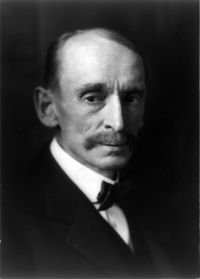
Portrait of William R. Day William R. Day Iowa Railroad Land Company v. Blumer…

While, until the time had run required by the timber culture act, Carraher would have been in no position to claim title as against the government, he was occupying a hostile attitude toward the railway company, and, while recognizing title in the United States, he expected to acquire title from it, had excluded all others from the use and occupation of the land, and held under no other title.
Source: Wikisource

Portrait of William R. Day William R. Day Iowa Railroad Land Company v. Blumer…

We think the record discloses that for more than ten years required by the Iowa statute to ripen such title, Carraher was in possession of the premises. He had planted a large number of trees; caused the lands to be cultivated; had raised crops; had rented the lands to others, and was understood to be claiming the ownership. The answer of plaintiff in error to this claim of title is that Carraher was not in possession of the premises claiming title in good faith.
The record shows that in 1883, by an entry under the timber culture act, Carraher claimed this 40-acre tract.
Source: Wikisource

Portrait of William R. Day William R. Day Iowa Railroad Land Company v. Blumer…

Carraher had been advised by the letter from his counsel, who had become a judge of a court in Iowa, that he might take possession and proceed to comply with the timber culture law. As far as the record shows, he heard nothing further from his entry, knew nothing of its summary cancelation, and no attempt was made to disturb his possession of the premises.
Source: Wikisource

Get perspective with Kwize: daily news enlightened by great literature